

How Small Businesses Are Using AI to Compete with Big Corporations
⚡ Quick Answer
Small businesses using AI are leveling the playing field against big corporations. Discover 10 real strategies, tools, and case studies from SMBs winning with AI in 2025.
Get more content like this on Telegram!
Daily AI tips, notes & resources — free
Advertisement
How Small Businesses Are Using AI to Compete with Big Corporations
Last year, I spoke with a bakery owner in Ohio who told me she was spending 15 hours a week on marketing tasks — writing Instagram captions, responding to review emails, designing seasonal flyers, and updating her website. She had zero budget for a marketing team. Her competitor down the street, a franchise location of a national chain, had a six-person marketing department.
Today, she spends three hours a week on those same tasks. AI handles the rest — and her Instagram engagement is up 180%.
This is the story of small businesses in 2025: the gap between what a two-person team can accomplish with AI versus what it took a 20-person team to accomplish five years ago has collapsed to almost nothing. This guide covers exactly how that's happening and how you can apply it to your business.
The Competitive Reality in 2025
Big corporations have three structural advantages over small businesses: budget, headcount, and data. AI is systematically undermining all three.
Budget: AI tools that cost $20–100/month deliver capabilities that cost enterprise companies hundreds of thousands annually in salaries. ChatGPT Enterprise costs less than one junior employee per year.
Headcount: A single person using AI can produce content at the volume of a small team, respond to customer inquiries 24/7 without hiring overnight staff, and analyze data without a dedicated analyst.
Data: AI tools train on global knowledge, meaning a small business gets access to best practices from thousands of successful companies — not just its own limited experience.
The playing field isn't level yet. But it's leveling faster than most people realize.
10 Real Ways Small Businesses Are Winning with AI
1. Content Marketing at Scale
One of the biggest advantages large companies have is content volume — they publish 20 blog posts a month while the average small business manages two.
AI changes this equation. Using ChatGPT with a solid editorial workflow (research → brief → AI draft → human edit → publish), a one-person marketing operation can realistically produce 8–12 quality pieces of content per month.
Real example: A 4-person accounting firm in Texas started using AI to produce educational blog posts and LinkedIn articles. In six months, they went from zero to 2,400 monthly organic visitors — without hiring a writer or agency.
The key is the human edit layer. Pure AI output won't rank. AI-assisted content with genuine expertise added will.
2. Customer Service Automation
Large retailers can staff 24/7 customer service centers. Small businesses typically can't. AI chatbots are closing this gap.
Tools like Tidio, Intercom AI, and even a properly configured ChatGPT integration can handle 70–80% of customer inquiries automatically:
- Store hours and location questions
- Order status and return policy queries
- Product recommendation requests
- Appointment booking and scheduling
The business impact: A small e-commerce clothing brand implemented a chatbot and reduced customer service email volume by 65% while response time dropped from 24 hours to under two minutes.
One thing I didn't like about most chatbot tools: the setup is genuinely time-consuming. Plan for 4–6 hours of configuration before you get reliable results.
3. Personalized Email Marketing
Large brands spend millions on segmentation and personalization infrastructure. AI brings this to any business for $50/month.
Using tools like Klaviyo (which has AI-powered segmentation) or even ChatGPT for drafting segment-specific emails, small businesses can now send genuinely personalized email campaigns. Not "Hi [First Name]" personalization — actual different messages based on purchase history, browsing behavior, and engagement level.
Results from a case study: A small outdoor gear shop saw a 34% increase in email revenue after switching from batch-and-blast newsletters to AI-assisted segmented campaigns.
4. Visual Content Without Designers
Professional design has been a major small business disadvantage — hiring a designer is expensive, and Canva templates look like Canva templates. AI image generation is changing this.
Midjourney and Adobe Firefly produce original, professional-quality visuals. Canva's AI features (Magic Media, Background Remover, Magic Write) bring design capabilities to non-designers.
A local restaurant owner I know creates every social media post, menu update, and promotional graphic using Canva AI and Midjourney. The output looks indistinguishable from professional agency work. Her total tool cost: $35/month.
5. Competitive Intelligence
Large companies have market research teams. Small businesses have... Google searches. Until AI changed that too.
Using tools like ChatGPT with web browsing, Perplexity AI, or purpose-built tools like Crayon, small businesses can now:
- Monitor competitor pricing and positioning automatically
- Analyze customer reviews of competitors for intelligence
- Track market trends and emerging keywords
- Generate SWOT analyses based on publicly available information
6. Financial Analysis and Reporting
One of the most underappreciated applications: AI-assisted bookkeeping and financial analysis.
Tools like FreshBooks AI, QuickBooks' AI features, and even Claude/ChatGPT for interpreting financial data give small business owners analytical capabilities that previously required an expensive part-time CFO. Uploading a month's bank statement and asking ChatGPT to identify cash flow patterns, unusual expenses, and forecasting insights returns analysis in minutes.
7. SEO and Search Visibility
Getting found on Google is existential for most small businesses. Large companies dominate with dedicated SEO teams and link-building budgets.
AI doesn't close this gap entirely — domain authority still matters. But it accelerates the content side of SEO dramatically. Using tools like Surfer SEO for optimization and ChatGPT for content production, small businesses can execute SEO strategies that previously required agency support.
See the AI SEO Tools 2025 guide for the complete toolkit.
8. HR and Hiring
Hiring is expensive and time-consuming. AI is making it faster and better for small businesses.
AI tools can screen resumes, generate job descriptions optimized for specific roles, draft interview questions, and even conduct preliminary screening via chatbot. For small businesses where the owner often handles hiring personally, this is hours reclaimed.
9. Sales Outreach
Cold outreach at scale was previously a numbers game requiring a full sales team. AI changes the economics: one person with the right AI tools can research prospects, personalize outreach, and follow up at scale.
Tools like Clay, Apollo.io, and Lemlist AI handle prospecting research, email personalization, and sequence management. A solo sales professional can now operate at the output level of a 3–4 person team.
10. Operations and Workflow Automation
The meta-advantage AI gives small businesses is time. Every hour saved by automating a routine task is an hour that can be reinvested in the things that actually grow a business.
Zapier and Make.com connect 5,000+ apps. Once you learn the platform (which takes a weekend), you can automate:
- New customer onboarding sequences
- Invoice generation and follow-up
- Social media posting and scheduling
- Inventory alerts
- Team communication for routine events
Read the Zapier AI vs Make.com comparison for a detailed breakdown of which platform fits which business size.
The AI Stack for $100/Month or Less
The most common question from small business owners: "What should I actually buy?"
Here's the complete AI stack I recommend for businesses under $1M in revenue:
| Tool | Use Case | Monthly Cost |
|---|---|---|
| ChatGPT Plus | Writing, research, analysis | $20 |
| Canva Pro | Design and visual content | $15 |
| Zapier Starter | Workflow automation | $20 |
| Tidio | Customer service chatbot | $19 |
| Notion AI | Team knowledge management | $10 |
| Total | $84/month |
This stack replaces what would have cost $3,000–5,000/month in tools and labor a few years ago.
What Big Corporations Still Have That AI Can't Replace
Honesty matters here. AI levels the playing field in many areas but not all.
Brand equity and trust: Years of customer relationships and brand recognition don't transfer to AI. Small businesses still need to build this the old way.
Distribution networks and partnerships: Retail shelf space, established distribution deals, supplier relationships — these require relationships that take time.
Regulatory and compliance infrastructure: In heavily regulated industries (healthcare, finance, legal), large companies have compliance teams that AI can assist but not replace.
Access to enterprise data: Large companies have years of proprietary customer and operational data that trains better internal AI models. Small businesses are working with general AI tools.
Getting Started: A 30-Day Plan
Week 1: Identify your single biggest time drain. For most small businesses it's one of: content creation, customer communication, or bookkeeping/admin.
Week 2: Pick one AI tool for that specific task. Set it up properly — don't rush. Read the documentation.
Week 3: Use it exclusively for that task for a week. Measure time saved.
Week 4: Calculate ROI. If it's positive, keep it. Then identify your second biggest time drain and repeat.
The businesses that succeed with AI are not the ones that adopt 15 tools at once. They're the ones that methodically implement one tool at a time until AI-assisted operation becomes their default mode.
Further Reading
- AI SEO Tools 2025: The Complete Toolkit for Traffic Growth
- The AI Business Plan Generator: From Idea to Investor-Ready in Hours
- AI for Accounting: How CPAs Are Staying Relevant in the AI Age
- How E-commerce Brands Use AI to Boost Sales by 40%
- AI for Writing Legal Disclaimers and Privacy Policies (2026)
- TikTok Marketing for Tech Brands: A Complete 2025 Playbook
- How I Got 100K Monthly Visitors Using These SEO Techniques
Advertisement
💬 DiscussionPowered by GitHub Discussions
Frequently Asked Questions

AiTechWorlds Team
✓ Verified WriterThe AiTechWorlds team is passionate about AI, technology, and education. We create high-quality, research-backed content to help you learn, grow, and succeed in the modern digital world.
Advertisement
Related Articles
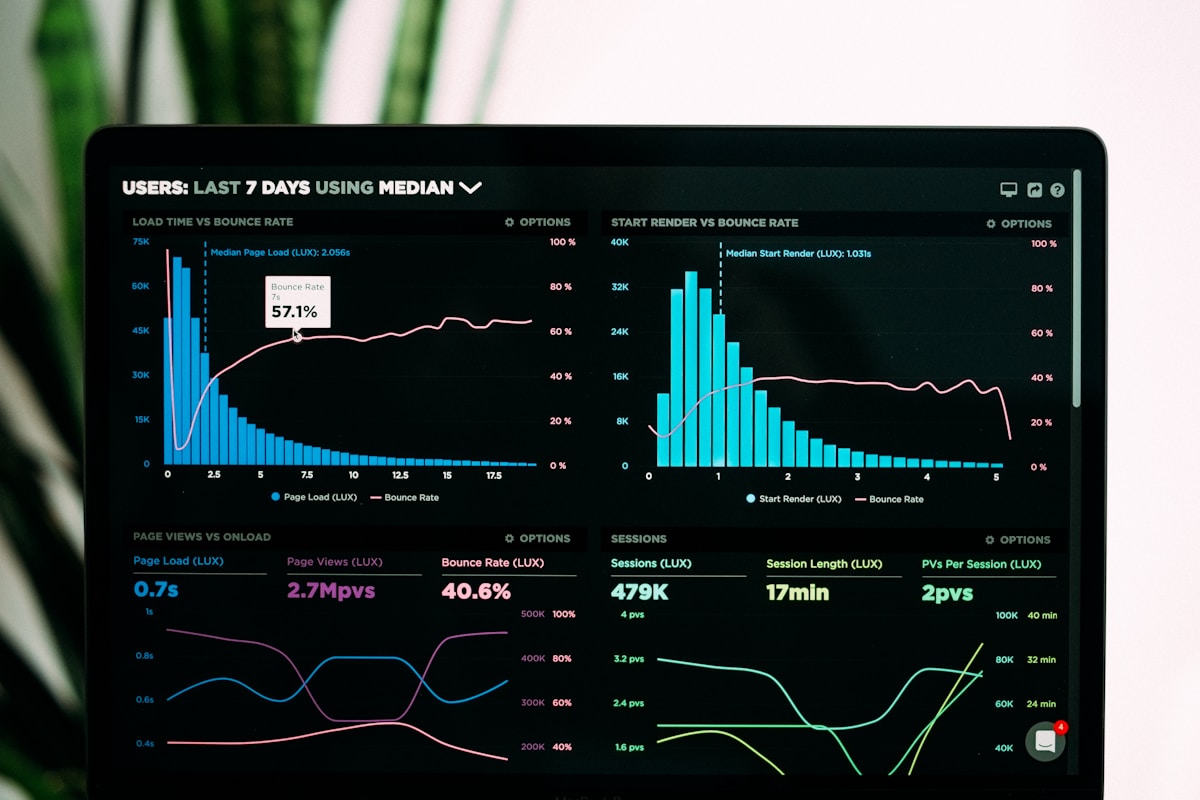
The Complete Guide to Using AI for Business Analytics in 2025
AI business analytics tools are making data-driven decisions accessible to businesses without data science teams. This guide covers top tools, real applications, and how to get started in a week.

Building a $10K/Month Business Using AI: A Beginner's Blueprint
Real AI business models generating $10K/month for beginners: what works in 2025, the actual time investment, honest income potential, and step-by-step launch plans for each model.

The AI Business Plan Generator: From Idea to Investor-Ready in Hours
AI business plan generators can take you from raw idea to investor-ready document in hours. This guide tests the top tools and reveals the exact prompts that produce fundable plans.

How AI Chatbots Are Cutting Customer Service Costs by 60%
AI customer service chatbots are reducing support costs by 40-60% for businesses of all sizes. This guide covers real ROI data, top tools, and how to implement without sacrificing customer satisfaction.