
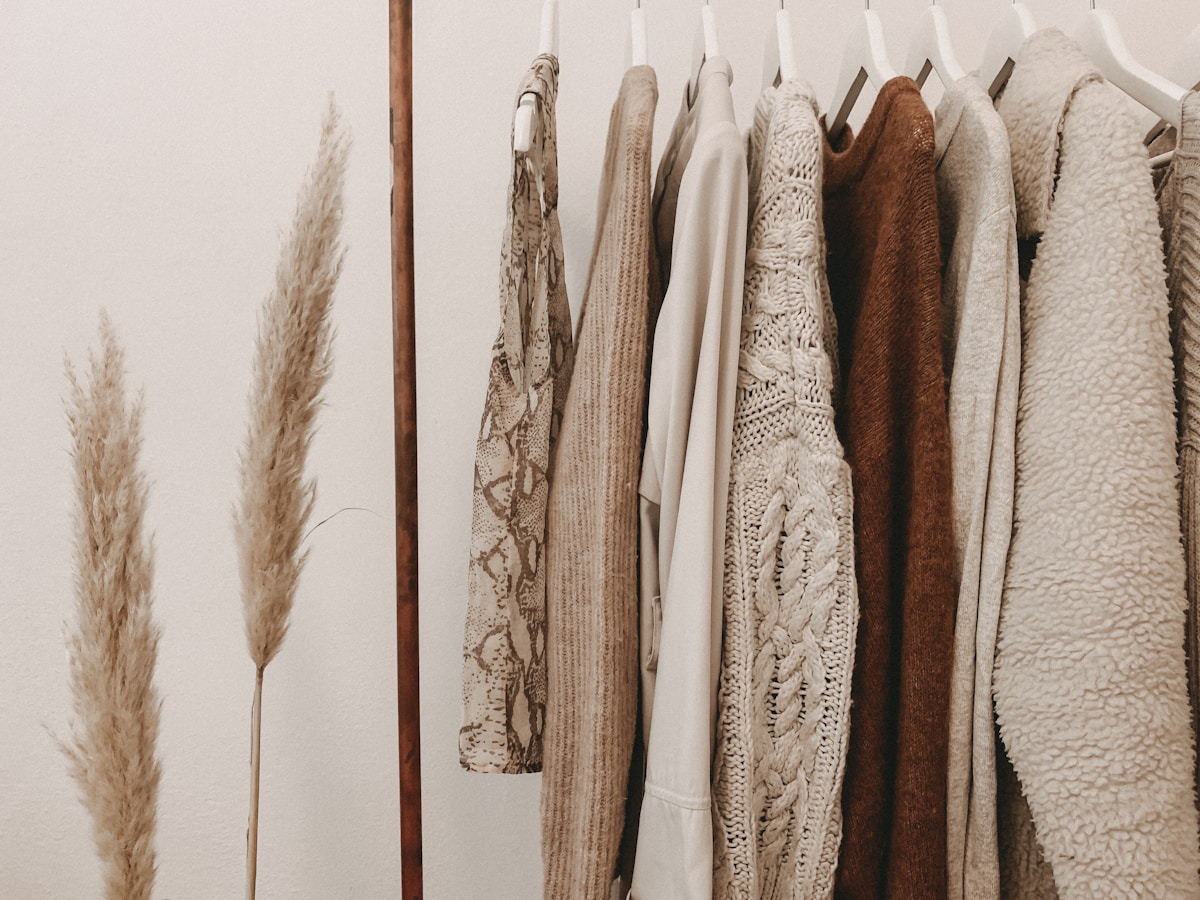
10 Best AI Tools for Fashion Design and Clothing Mockups (2026)
⚡ Quick Answer
Discover the top AI fashion design tools for clothing mockups, fabric simulation, and print placement — with comparison table, prompt templates, and Printful tips.
Get more content like this on Telegram!
Daily AI tips, notes & resources — free
Advertisement
The global fashion AI market is moving fast. According to McKinsey's 2025 fashion technology report, AI-driven design and production tools are projected to reduce apparel design-to-market time by 30–50% over the next three years, with early adopters among mid-sized fashion brands already reporting significant gains. That's not a statistic about some hypothetical future — it's describing what's happening right now in design studios.
For independent designers, small brands, and print-on-demand entrepreneurs, the practical impact is even more immediate: tools that used to require $50,000 CLO 3D setups or professional Photoshop skills are now accessible at $20/month or free. AI fashion design tools range from full 3D garment simulation to AI-generated print designs to mockup generators that show clothing on diverse body types.
This guide covers the full landscape: what each tool actually does, where it fits in a real design workflow, comparison data, and practical prompt templates for three major apparel categories. I'll also cover the Printful integration angle because that's where a lot of independent designers are monetizing their work.
The Fashion Design AI Landscape in 2026
The tools in this space divide roughly into three categories, and it helps to know which you're dealing with before comparing them:
3D Garment Simulation Tools: CLO 3D, Browzwear — these create physically simulated garments with accurate fabric drape, weight, and texture. Professional-grade, subscription-priced, steep learning curve.
AI Print and Surface Design Tools: Midjourney, DALL-E 3, Adobe Firefly — generate textile prints, patterns, and design concepts that you then apply to garment mockups.
Mockup and Visualization Tools: Printful's mockup generator, Placeit, Zyng — take your design and place it on a garment model for presentation. Some have AI features for background generation and model diversity.
Most workflows combine tools from at least two of these categories.
Comparison Table: AI Fashion Design Tools (2026)
| Tool | Fabric Simulation | Body Diversity | Print Placement | Free Tier | Best For |
|---|---|---|---|---|---|
| CLO 3D | Industry-leading | Moderate | Excellent | Trial only (~$50/mo) | Professional garment construction |
| Adobe Firefly | N/A | N/A | Good (via Express) | Yes (limited) | Print design, commercial-safe concepts |
| Midjourney | N/A (illustration) | Custom | Manual | No ($10/mo) | Design concept visualization |
| Zyng | Good | Excellent | Very Good | Yes (limited) | Diverse model mockups |
| Browzwear | Very Good | Good | Excellent | Trial only (~$200/mo) | Enterprise garment development |
CLO 3D is the industry standard for 3D garment construction. If you're building a fashion brand and need to communicate precise specifications to manufacturers, this is the tool. The learning curve is real — expect 20–40 hours before you're productive. But the output quality is genuinely professional.
Adobe Firefly is the best tool for print and surface design generation within a commercially safe framework. Firefly images are trained on licensed content, which matters when you're applying designs to products you're selling. Our Adobe Firefly review covers the full capability set.
Midjourney excels at generating design concepts and visual direction — mood board imagery, stylized fashion illustrations, and print design concepts that a human designer then refines. The output isn't production-ready but it's excellent for ideation and client-facing concept presentations.
Zyng deserves more attention than it gets. Its AI model diversity feature lets you generate mockups of your designs on models of different body types, skin tones, and ages — which is both ethically important and practically necessary for brands targeting diverse customer bases.
Prompt Templates for Three Apparel Categories
Streetwear
Streetwear aesthetics respond well to specific cultural and design references. Vague prompts produce generic hoodies.
Surface print design prompt:
Oversized streetwear graphic print, Japanese urban influence, distressed typography reading "CITY NOISE", abstract city skyline silhouette, black and white with neon orange accent, graffiti texture overlay, screen print aesthetic, high contrast, flat design, white background for mockup use
Fashion concept prompt (Midjourney):
Streetwear lookbook photo, oversized hoodie in washed sage green, matching cargo pants with utility pockets, chunky sneakers, urban concrete background, editorial fashion photography, natural light, model facing forward, full-length shot, --ar 2:3 --style raw
Formal/Contemporary
Formal design prompts need precision in fabric description — "a nice suit" produces nothing useful.
Design concept prompt:
Contemporary menswear fashion illustration, deconstructed single-button blazer in deep navy bouclé wool, unstructured shoulders, cream silk lapel, wide-leg trousers, editorial fashion sketch style, clean line illustration, white background, front and back view side by side
Print design prompt for formal accessories:
Luxury necktie print design, diagonal stripe pattern with micro-geometric fill, navy and gold colorway, vintage silk scarf aesthetic, refined and minimal, seamless repeat tile, flat vector style, 300 DPI
Activewear
Performance wear design has specific requirements — stretch, seam placement, and technical fabric simulation matter.
Design concept prompt:
Athletic wear concept design, women's sports set, high-neck long-sleeve crop top and high-waist leggings, color-blocked design in deep burgundy and light sand, subtle mesh panel detailing, technical sportswear aesthetic, clean product photo style, white background, front view
Print design for activewear:
Activewear repeat pattern, abstract movement lines and micro-dot texture, dark navy base with electric teal and white geometric shapes, dynamic athletic aesthetic, seamless tile, suitable for sublimation printing, 300 DPI vector-quality
Integrating AI Fashion Designs With Printful
Printful is one of the cleanest integrations for taking AI-generated designs to market. Here's how the workflow connects:
Step 1: Generate your print design using Adobe Firefly, Midjourney, or DALL-E 3. Ensure your output is at minimum 4500x5400 pixels at 300 DPI for apparel printing (Printful's requirements for DTG printing vary by product).
Step 2: Upscale if needed. Most AI image generators produce images between 1024 and 4096 pixels on the longest edge. Use Topaz Gigapixel or Upscayl to reach print-quality resolution without quality loss.
Step 3: Upload to Printful's mockup generator. Place your design on the specific product (t-shirt, hoodie, tote bag), adjust positioning and scale, and generate mockup images for your store.
Step 4: Use Zyng or Printful's AI diversity feature to generate mockups on diverse models rather than using the same default body type for all your listings.
Step 5: Export and list. Printful integrates directly with Shopify, Etsy, WooCommerce, and other platforms.
The one thing to watch: Printful (and all DTG print-on-demand services) have limits on fine detail — very thin lines and tiny type below 12 points tend to wash out in print. Design for the medium.
For creators building an Etsy-based business with AI-generated artwork on products, our sell AI art on Etsy article covers the full sales and pricing strategy in detail.
Beyond Mockups: AI for Fashion Brand Visual Identity
AI image generation tools are increasingly used for fashion brand visual assets beyond just the garments themselves:
Lookbook imagery: Midjourney can generate editorial-quality fashion photography with your described designs, providing client-facing assets before physical samples exist. The prompt engineering guide covers how to write fashion photography prompts that produce usable editorial results.
Campaign imagery: Adobe Firefly's generative fill can extend backgrounds, add or remove models, and composite AI-generated garments into photographic scenes.
Pattern and textile design: Stable Diffusion with textile-specific LoRA models generates seamless repeat patterns for fabric printing — one of the more genuinely production-ready applications of AI in fashion.
For independent designers looking to build a broader AI art income beyond print-on-demand, our stable diffusion income article covers the full range of monetization options.
The 10 Tools Summarized (Quick Reference)
Beyond the comparison table above, here's the full list with primary use case:
- CLO 3D — 3D garment construction and technical design
- Browzwear — Enterprise-level 3D fashion design
- Adobe Firefly — Commercially safe print design and concepts
- Midjourney — Design visualization and mood boards
- DALL-E 3 — Quick concept iteration
- Zyng — Diverse model mockups
- Printful Mockup Generator — Print-on-demand mockups (free for customers)
- Placeit — Lifestyle mockup photos for apparel listings
- Stable Diffusion — Textile pattern generation (with right models)
- Canva AI — Social media mockup and presentation design
For a comparison of AI image generators across visual art styles that includes fashion illustration applications, our best AI image generators 2026 provides broader context.
Conclusion
AI fashion design tools have reached genuine practical utility in 2026. The gap between concept and production-ready assets has shrunk dramatically, and independent designers now have access to tools that were enterprise-only two years ago.
The most effective workflows combine tools: Midjourney or Adobe Firefly for design generation, Zyng or Printful for mockup visualization, and CLO 3D or Browzwear if you're producing at professional scale. No single tool does everything well.
Start with Adobe Firefly's free tier to generate initial print designs — the commercial licensing is baked in, which removes one headache. Connect to Printful, generate your first mockups, and list something. The barrier to having a design on a product people can actually buy has never been lower.
Further Reading
Advertisement
💬 DiscussionPowered by GitHub Discussions
Frequently Asked Questions
AiTechWorlds Team
✓ Verified WriterThe AiTechWorlds team is passionate about AI, technology, and education. We create high-quality, research-backed content to help you learn, grow, and succeed in the modern digital world.
Advertisement
Related Articles
How to Create AI-Generated Album Cover Art (Free Tools 2026)
Learn how to create AI album cover art for free using top tools in 2026. Genre-specific prompts, Spotify specs, and real tool comparisons inside.
5 AI Image Generators Specialized in Anime Style (2026)
Find the best AI anime generator for 2026. Compare NovelAI, Waifu Diffusion, Leonardo, and more with real accuracy tests and free tier details.
How to Generate Architectural Renders With AI (No CAD Required)
Create stunning AI architectural rendering without CAD software in 2026. Compare Midjourney, Veras, and more with real workflow steps and cost breakdowns.
How to Generate AI Art in Different Styles (Cubism, Impressionism, More)
Master AI art style transfer with 15 art movement modifiers for Impressionism, Cubism, Surrealism, and more — with tool comparison and art history context.