
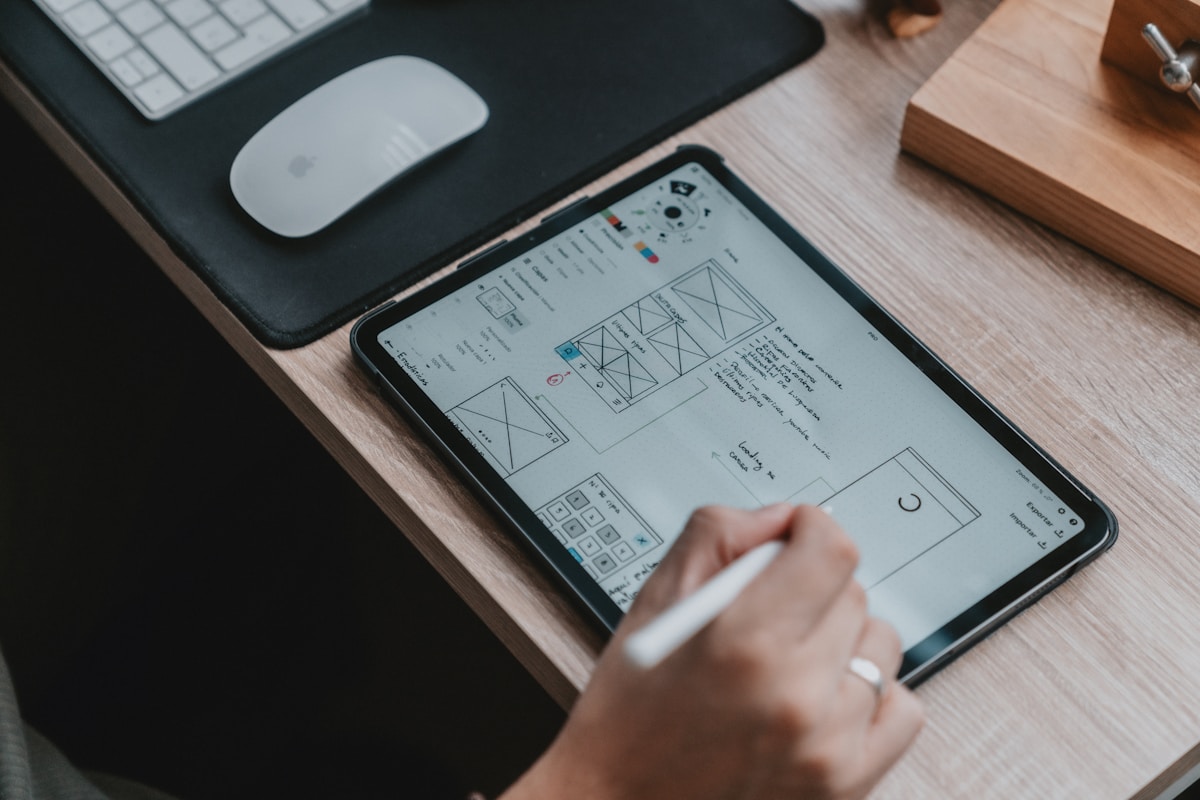
Canva AI vs Adobe Firefly: The Non-Designer's Ultimate Battle
⚡ Quick Answer
Canva AI vs Adobe Firefly tested by someone with zero design background. Which tool actually helps non-designers create professional-looking content without needing design skills?
Get more content like this on Telegram!
Daily AI tips, notes & resources — free
Advertisement
Canva AI vs Adobe Firefly: The Non-Designer's Ultimate Battle
I run a small online cooking school. I create social media posts, email headers, recipe cards, and course materials. I am not a designer. I've never used Photoshop. I have strong opinions about visual aesthetics but zero technical ability to execute them.
This is the comparison I spent two months testing so you don't have to: Canva AI and Adobe Firefly, evaluated entirely from the perspective of someone who needs professional-looking results without professional design skills.
Both have added significant AI features recently. Both claim to be the better choice for businesses and creators. Here's what I actually found.
What Each Tool Offers: The Overview
Canva AI Features
Canva's AI integration goes well beyond image generation:
- Magic Media — text-to-image generation within designs
- Magic Edit — edit any image by describing the change
- Magic Eraser — remove objects from photos
- Background Remover — one-click background removal
- Magic Expand — extend images in any direction
- Text to Presentation — generate full slide decks from a topic
- Magic Write — AI copywriting within Canva
- Brand Voice — consistent AI writing in your brand style
Adobe Firefly Features
- Text to Image — generate standalone images from prompts
- Generative Fill (via Photoshop) — add/remove/replace image content
- Generative Expand — extend image canvas
- Text Effects — stylized typography
- Generative Recolor — recolor vector graphics (via Illustrator)
- Structure Reference — use existing images as composition guides
The key difference is immediately visible: Canva AI is an integrated design platform. Adobe Firefly is an image generation and editing engine that plugs into design software.
Test 1: Creating a Social Media Post From Scratch
Task: Create an Instagram post promoting a 30-minute pasta recipe. I have the recipe text and one mediocre photo of the finished dish.
With Canva AI
- Opened Canva, searched "Instagram food post" templates
- Selected a template I liked (took 2 minutes)
- Replaced template photos with my dish photo — auto-resized
- Used Magic Edit to brighten and improve the photo lighting (30 seconds)
- Used Magic Write to generate a caption suggestion (10 seconds)
- Adjusted colors to match my brand kit
Total time: 8 minutes. Result: Professional-looking post ready to publish.
With Adobe Firefly
Firefly's standalone interface isn't a design tool — it generates images. To create a social media post, I would need to:
- Generate an image with Firefly (2–3 minutes of prompting)
- Import into Canva, Photoshop, or another design tool
- Build the post design around the generated image
This is a fundamentally different workflow. For a non-designer with no Photoshop skills, Firefly alone doesn't produce a social media post. Canva does.
Round winner: Canva — this isn't a close comparison for non-designers.
Test 2: Generating a Custom Image from a Description
Task: Create an image of "a rustic Italian kitchen with fresh ingredients on a wooden table, warm golden lighting, food photography style" for use in my course materials.
Canva AI (Magic Media)
Generated from within Canva's design interface. Output quality was solid — good composition, appropriate food photography styling. Slightly generic but usable.
Generation time: 15 seconds. Output quality: 7/10
Adobe Firefly
Generated via firefly.adobe.com. The same prompt produced noticeably higher quality output — better texture detail, more sophisticated lighting, more professional food photography aesthetics.
Generation time: 20 seconds. Output quality: 8.2/10
Round winner: Adobe Firefly — meaningfully better standalone image quality.
Test 3: Editing an Existing Photo
Task: Remove a distracting paper towel from the corner of my dish photo, then extend the canvas by 30% on the right side to fit a wider format.
Canva AI
- Magic Eraser: selected the paper towel, clicked erase. Result in 10 seconds — nearly seamless. Excellent.
- Magic Expand: extended the canvas. The generated background matched the kitchen counter texture reasonably well.
Total time: 2 minutes. Result: 8/10
Adobe Firefly (via Photoshop)
This requires Photoshop, which I had access to through Adobe's trial. Used Generative Fill to remove the paper towel — result was slightly better than Canva's, with more consistent texture matching. Canvas extension was also slightly more convincing.
Total time: 12 minutes (including learning the Photoshop interface for this task). Result: 8.5/10
Round winner: Tie — Firefly produces marginally better results, but Canva's faster workflow matters more for non-designers.
Full Comparison for Non-Designers
| Use Case | Canva AI | Adobe Firefly |
|---|---|---|
| Social media graphics | Excellent | Not applicable (not a design tool) |
| Presentations | Excellent | Not applicable |
| Custom image generation | Good | Excellent |
| Photo editing | Good (easy) | Very good (requires learning) |
| Brand consistency | Excellent (brand kit) | Limited |
| Text in designs | Excellent (full design integration) | Text Effects only |
| Commercial safety | Good | Excellent (explicitly indemnified) |
| Learning curve | Very low | Medium (Photoshop required for best features) |
| Price | $15/month (Pro) | $0 (web app) or CC subscription |
The Verdict: Which One for Non-Designers?
Choose Canva if:
- You create social media graphics, presentations, newsletters, or marketing materials
- You have no design software experience
- You want a single tool that handles the full creation workflow (from blank canvas to published post)
- Team collaboration and brand consistency matter to you
Choose Firefly if:
- You need the highest quality standalone images for commercial use
- You have or are willing to learn Photoshop basics
- Legal clarity on commercial use is important to you
- You want image editing within photos rather than full graphic design
My recommendation for small business owners and content creators: Canva Pro for 90% of your design needs. Bing Image Creator (free DALL-E 3) or Adobe Firefly web for high-quality standalone images when Canva's generation quality isn't sufficient.
The two tools aren't really competitors for non-designers. Canva is a design platform that includes AI features. Firefly is an AI image tool that requires design software to reach its full potential. Knowing which problem you're solving tells you which tool to use.
Further Reading
- The Ethics of AI Art: What Every Creator Must Know Before Publishing
- How to Create AI-Generated Album Cover Art (Free Tools 2026)
- How to Generate Free AI Avatars for Social Media Profiles (2026)
- 15 Prompts for Realistic AI Landscape Photography (Copy-Paste)
- DreamBooth Tutorial: Training Your Own AI Model on Your Face
- Best Free AI Meeting Summarizers for Zoom and Teams (2026)
- How to Turn Text Into Realistic Speech Using Free AI Tools (2026)
- 7 Free AI Tools for Students That Make College Easier
Advertisement
💬 DiscussionPowered by GitHub Discussions
Frequently Asked Questions
AiTechWorlds Team
✓ Verified WriterThe AiTechWorlds team is passionate about AI, technology, and education. We create high-quality, research-backed content to help you learn, grow, and succeed in the modern digital world.
Advertisement
Related Articles

How to Create AI-Generated Album Cover Art (Free Tools 2026)
Learn how to create AI album cover art for free using top tools in 2026. Genre-specific prompts, Spotify specs, and real tool comparisons inside.
5 AI Image Generators Specialized in Anime Style (2026)
Find the best AI anime generator for 2026. Compare NovelAI, Waifu Diffusion, Leonardo, and more with real accuracy tests and free tier details.

How to Generate Architectural Renders With AI (No CAD Required)
Create stunning AI architectural rendering without CAD software in 2026. Compare Midjourney, Veras, and more with real workflow steps and cost breakdowns.
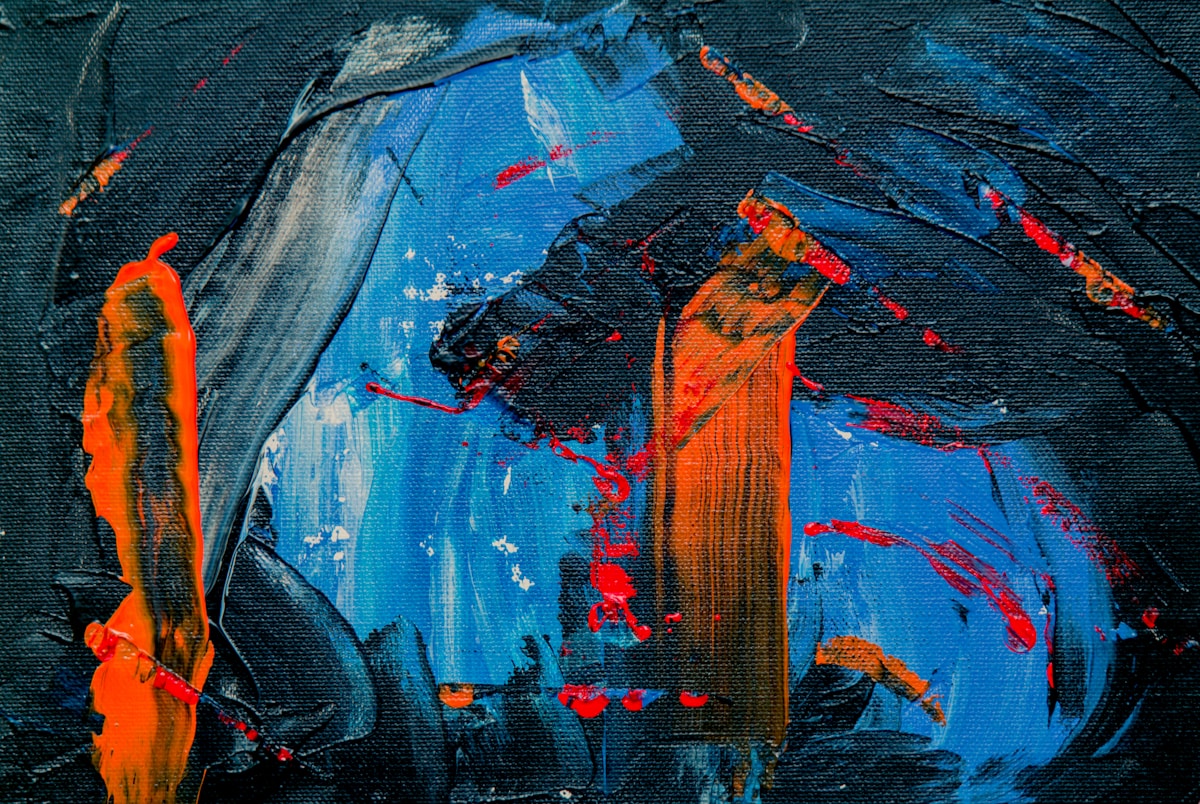
How to Generate AI Art in Different Styles (Cubism, Impressionism, More)
Master AI art style transfer with 15 art movement modifiers for Impressionism, Cubism, Surrealism, and more — with tool comparison and art history context.