
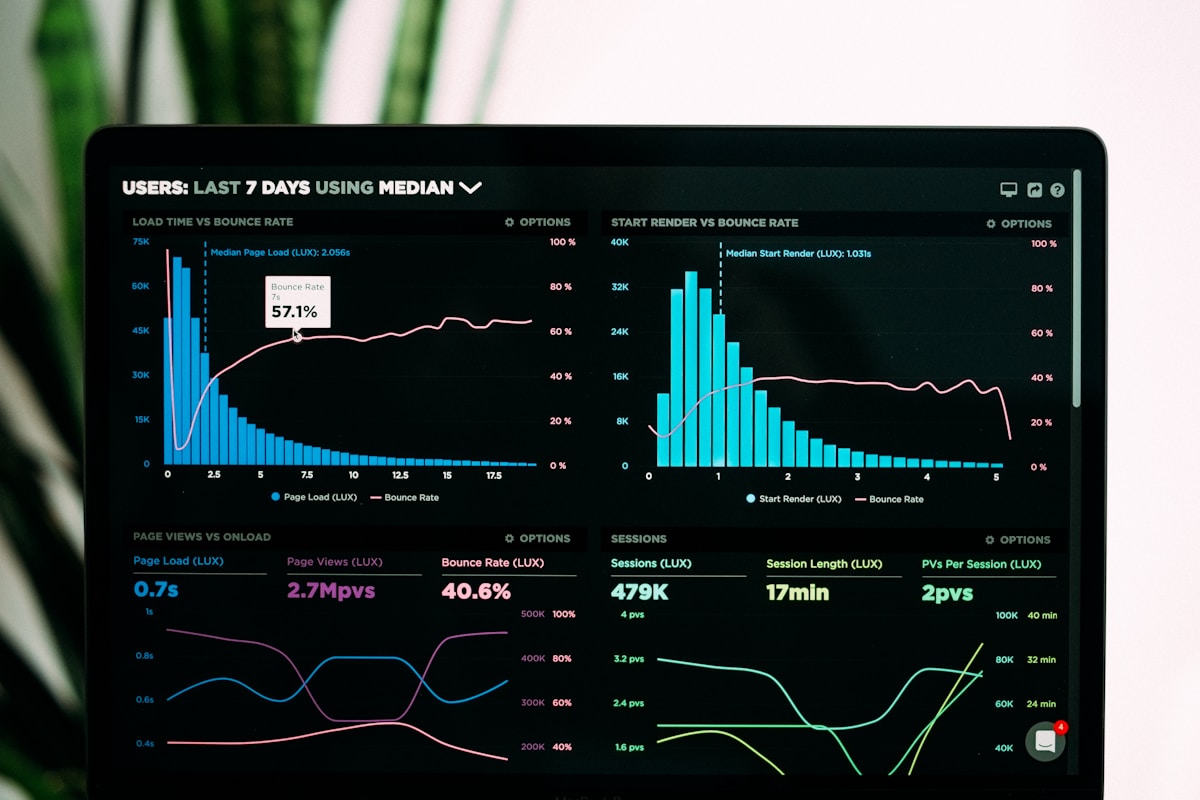
Best AI for Video Summarization: Long to Short in Minutes
⚡ Quick Answer
Find the best AI video summarizer to cut long recordings into shareable highlights — perfect for students, managers, and anyone drowning in long-form content.
Get more content like this on Telegram!
Daily AI tips, notes & resources — free
Advertisement
I sat through a 94-minute product strategy recording last year. It was relevant to my work. I needed three specific points from it. Getting those three points took 94 minutes.
That was the last time I did that.
AI video summarizers have gotten genuinely good at pulling the signal out of the noise in long recordings. The category has matured from "here's a rough transcript" to "here are the five key decisions made, the action items assigned, and a 3-minute highlight clip you can share with people who weren't in the room."
This guide covers the tools worth knowing, what they're actually good at, and a practical workflow for the most common use case — conference recordings and meeting videos that someone needs to act on without watching the whole thing.
The Problem With Long Video Content in 2026
Video has become the default medium for knowledge transfer in professional settings. Team meetings, all-hands recordings, webinar replays, conference keynotes, online courses — the backlog of "I'll watch this later" video content grows faster than anyone's watch time.
A 2023 Cisco report estimated that the average knowledge worker spends 12 hours per week in meetings. Most of those meetings are recorded. Very few recordings are ever watched in full.
The problem isn't that people don't care. It's that consuming video at 1x speed is an inefficient way to extract information. You can read a transcript five times faster than you can watch the video. And an AI-extracted summary lets you get the key points in one-tenth the original time.
For students, the math is similar. A 3-hour lecture on macroeconomics contains about 45 minutes of genuinely new information. Finding those 45 minutes used to require watching all three hours.
AI video summarizers change both of these situations. They don't make every meeting worth attending or every lecture brilliant. They just make the useful parts accessible without the overhead.
The 5 Tools Worth Using
Pictory AI
Pictory is primarily known as a long-to-short video tool for content creators, but its summarization features work well for professional use cases too.
Upload a video (up to 10 hours on higher plans), and Pictory's AI identifies key moments, generates a text summary, and can auto-create a short highlight reel. The visual analysis is stronger than most tools in the category — Pictory considers both what's being said and what's on screen, which matters for conference presentations where the slide content is as important as the speech.
The output quality for talking-head content (lectures, keynotes, interviews) is consistently solid. For multi-person meetings with crosstalk or off-topic conversation, results are more variable.
For a full feature breakdown, our Pictory AI review covers the platform in detail.
Best for: Content creators repurposing long-form video, educators summarizing recorded lectures.
Opus Clip
Opus Clip is specifically designed for extracting short-form clips from long-form content. It's not trying to produce a text summary — its output is a set of short video clips, automatically identified as the most compelling moments.
The AI rates each extracted clip by predicted engagement, with scoring based on speaker energy, topic density, and audience appeal signals. For creators building a social media distribution strategy from long-form content, this is genuinely useful curation.
Opus Clip adds automatic captions and reformatting for different aspect ratios (portrait for TikTok/Reels, square for Instagram), which removes a post-processing step from the workflow.
For managers and students looking for text-based summaries, Opus Clip is the wrong tool. For content creators who produce long YouTube videos or podcasts and want to extract social clips, it's one of the best options available.
Best for: YouTubers, podcasters, social media managers extracting clips for short-form platforms.
Munch
Munch sits between Opus Clip and the transcription-heavy tools. It extracts video clips but also provides context and analysis — telling you why a moment was selected, what topic it covers, and suggesting distribution channels.
The topic-tagging is more sophisticated than most tools. Munch categorizes moments by theme, not just by engagement signals. This makes it easier to find "all moments about pricing" or "all moments about the roadmap" in a long product strategy recording.
The integration with publishing platforms (LinkedIn, YouTube, Twitter/X, TikTok) means extracted clips can go from Munch to scheduled social posts in a single workflow.
Best for: Marketing teams doing content repurposing, brand managers monitoring content themes.
Otter.ai
Otter.ai comes from a different angle entirely. It's primarily a real-time transcription and meeting intelligence tool, but its AI summarization features have expanded significantly in recent years.
For meeting recordings, Otter.ai is hard to beat. It integrates directly with Zoom, Google Meet, and Microsoft Teams. It captures conversations in real time, generates a transcript, and produces an AI summary that includes action items, key decisions, and speaker-attributed highlights.
The free plan covers 300 minutes per month of transcription — enough for moderate use. The business plan adds automated meeting summaries sent to attendees after every session, which is genuinely useful for distributed teams.
For video lectures and educational content, Otter.ai works well if the audio is clear. The search functionality is particularly strong — you can search a 2-hour lecture transcript for specific terms and jump to the exact moment in the video where it was mentioned.
Best for: Teams wanting automatic meeting summaries, students transcribing lectures, anyone who needs searchable video transcripts.
Wistia
Wistia is primarily a video hosting platform, not a standalone summarizer, but its AI features deserve a mention for professional teams managing video libraries.
Wistia's AI can generate chapters and summaries for hosted videos, track engagement at the moment level (which parts viewers rewatch or skip), and provide detailed analytics on what content holds attention.
For teams hosting onboarding videos, product demos, or training content, Wistia's engagement data tells you which parts of a video are losing viewers — essentially highlighting which sections need improvement. That feedback loop is more useful than a standalone summarizer for iterating on video content.
The pricing is higher than other tools here ($24+/month and up), which positions it as an enterprise tool rather than an individual productivity tool.
Best for: Marketing and sales teams hosting videos for prospects and customers, L&D teams tracking training video engagement.
Full Comparison Table
| Tool | Max Input Length | Output Format | Highlight Detection | Free Tier | Paid Price |
|---|---|---|---|---|---|
| Pictory AI | 10 hours (pro) | Video clips + text | Yes, visual+audio | 3 videos trial | $19/mo |
| Opus Clip | 3 hours | Short video clips | Yes, engagement-rated | Limited (10 min) | $19/mo |
| Munch | 2 hours | Clips + topic tags | Yes, theme-based | Yes (limited) | $49/mo |
| Otter.ai | No hard limit | Text + chapters | Key points only | 300 min/mo | $10/mo |
| Wistia | No limit (hosted) | Chapters + analytics | Engagement-based | 3 videos free | $24/mo |
Real Workflow: Summarizing a Conference Recording
Here's the practical workflow I use when I have a long conference recording (typically 45–90 minutes) that needs to be processed for a team that wasn't there.
Step 1: Upload to Otter.ai for transcript. Even if I'm going to use another tool for the final output, Otter.ai produces the most accurate transcript quickly. For a 90-minute recording, the transcript is ready in about 12 minutes.
Step 2: Skim the transcript, not the video. With a searchable transcript, I can read through in 10–15 minutes and flag the sections that matter. This is faster than 1x playback and more reliable than trusting the AI's summary alone.
Step 3: Use Pictory for a shareable highlight reel. If the output needs to be a video (for stakeholders who won't read a document), I upload to Pictory and let it generate a 5–8 minute highlight version. I review the auto-selected clips against my transcript flags and adjust.
Step 4: Export Otter.ai summary for async distribution. Otter's AI summary — with action items, decisions, and key points — goes into the team communication channel or email. Stakeholders who want the detail can read the full transcript. Those who need a quick update get the AI summary.
Total time: About 35–45 minutes for a 90-minute conference recording. Time saved: 45–55 minutes compared to watching at 1x.
For educational use cases, Otter.ai's lecture mode is worth trying — it adjusts the transcription model for educational vocabulary and captures board writing if your device has camera access.
Student Workflow: Lecture Recordings
For students dealing with recorded lecture backlogs, the workflow is slightly different.
Most lectures have a predictable structure: introduction, concept explanation, example, concept explanation, example, summary. The AI needs to identify where each concept section starts and ends.
The tools that handle this best:
Otter.ai with real-time capture (if your institution allows it) produces searchable transcripts you can review during exam prep without re-watching. Pictory works well for recorded video lectures, especially if the professor uses slides — the visual analysis picks up slide transitions as natural chapter markers.
One practical note: many universities have policies about recording lectures and using AI tools on academic materials. Check institutional policies before running a lecture recording through a third-party cloud tool. Some universities provide Otter.ai or similar tools through institutional licenses with appropriate data privacy agreements.
The Accuracy Question
Every AI summarizer will occasionally miss something important or include something irrelevant. For low-stakes content (social clips, personal note-taking), this is fine. For high-stakes content (legal proceedings, medical consultations, board meeting minutes), AI summaries need human review before being treated as authoritative.
A few factors that predictably affect accuracy:
Audio quality: The single biggest variable. Clean, single-speaker audio with minimal background noise produces dramatically better results than conference room recordings with echo and multiple simultaneous speakers.
Technical vocabulary: Domain-specific jargon challenges all transcription models. Medical, legal, and engineering content tends to produce more errors. Otter.ai allows custom vocabulary dictionaries on paid plans, which helps significantly.
Speaker accents: Major AI transcription models have improved substantially on accent handling, but significant accents still reduce accuracy compared to standard American or British English. This is an ongoing industry limitation.
Video vs. audio only: Tools that analyze visual content (Pictory, Munch) produce better results for video lectures and conference presentations where slide content reinforces spoken content.
For AI video editing workflows that pair well with these summarization tools, Descript AI review is worth reading — Descript's transcript-based editing is a natural complement to the summarization tools covered here.
When Summarization Isn't Enough
AI video summarizers are good at extracting what was said. They're less reliable at capturing subtext, emotional tone, interpersonal dynamics, and context that wasn't verbalized.
A summary of a tense budget meeting might accurately capture the decisions made and the action items assigned while completely missing the fact that the CFO was clearly unhappy with the outcome. That kind of context matters in real organizations.
For content where tone and subtext matter — performance reviews, sensitive negotiations, creative brainstorming sessions — treat AI summaries as a starting point, not a substitute for watching (at least the key sections of) the original.
For managers using these tools for team meeting summaries, this is worth communicating clearly: the AI summary captures the stated content, not the full picture.
Integration With Broader AI Video Workflows
Most teams using AI video summarizers don't use them in isolation. They're typically part of a broader content or knowledge management workflow.
Common integration patterns:
- Zoom recording → Otter.ai automatic summary → Notion or Slack update
- YouTube video → Pictory clips → social media distribution pipeline
- Conference talk → Munch theme extraction → content repurposing across channels
- Course video → Pictory highlight → shorter training module
For teams building out their full AI video stack, connecting a summarizer with a tool like InVideo AI review for output distribution or CapCut AI features for caption finishing creates a more complete pipeline.
The Sora AI video development also has implications for summarization over the next 1–2 years — as generative video becomes more common, the ability to summarize and repurpose AI-generated content will matter as much as summarizing recorded human content.
For a reliable external reference on meeting productivity and AI tool adoption, McKinsey's annual global survey on technology adoption (mckinsey.com) consistently tracks how organizations are using AI for knowledge work — useful for building an internal business case for these tools.
Conclusion
The best AI video summarizer depends on what you need from it. If you want searchable transcripts and real-time meeting capture, Otter.ai is the clear choice. If you need a shareable video highlight reel, Pictory or Opus Clip handle that better. If you're managing a content team's repurposing workflow, Munch's theme-tagging adds genuine organizational value.
What they all share is the ability to give back time that currently disappears into long recordings nobody watches in full. A 90-minute conference call that used to require 90 minutes of attention can now be processed in 35. A lecture series you're behind on doesn't require a marathon catch-up session.
Start with the free tiers, run a real project through each tool, and let the output quality make the decision for you. The workflow differences between tools matter as much as the features list.
Advertisement
💬 DiscussionPowered by GitHub Discussions
Frequently Asked Questions
AiTechWorlds Team
✓ Verified WriterThe AiTechWorlds team is passionate about AI, technology, and education. We create high-quality, research-backed content to help you learn, grow, and succeed in the modern digital world.
Advertisement
Related Articles
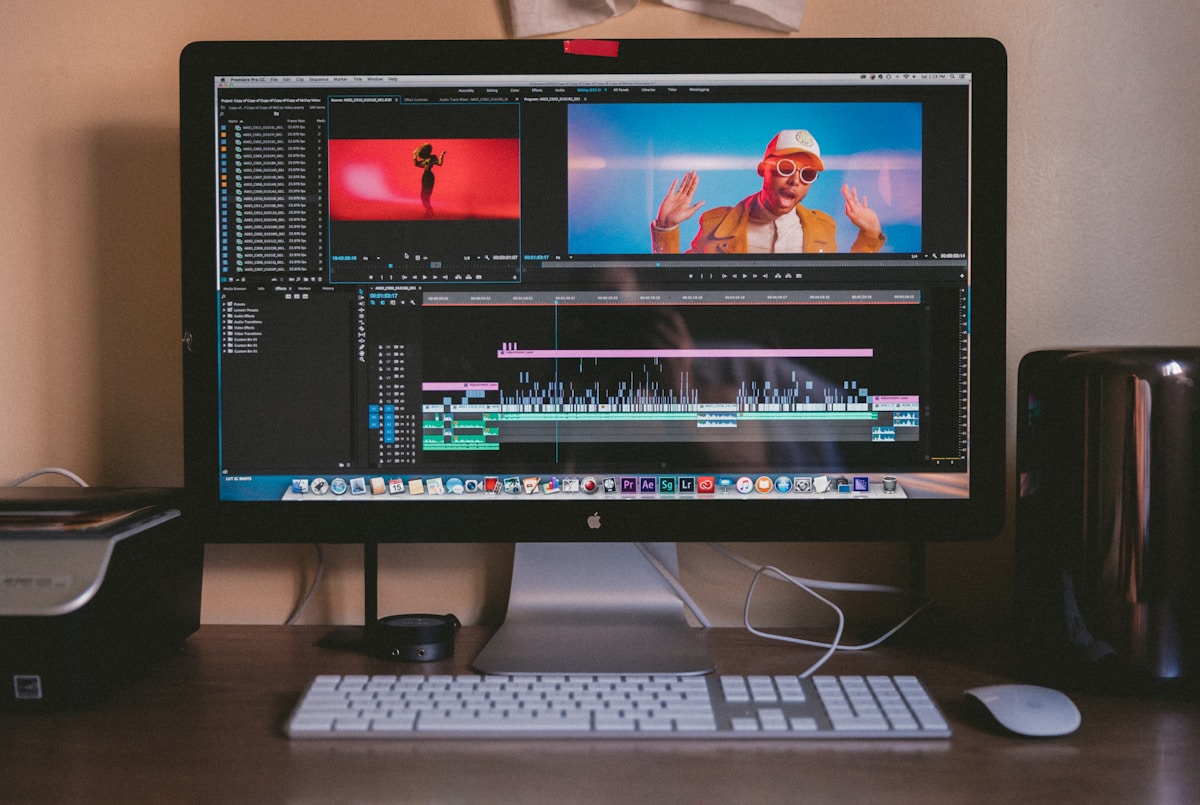
How AI-Generated Captions Boost Video Retention (With Tools)
AI caption generator video tools can increase watch time by up to 80% — here's the retention data and the tools that deliver it most reliably.

How to Generate AI Cinematic Trailers and Teasers (2026)
Learn how to use AI trailer generator tools to create cinematic teasers and promos with dramatic visuals, music sync, and 3-act structure — complete 2026 guide.

Best AI for Automatic Video Color Grading (Cinema Look 2026)
Discover the best AI color grading tools for achieving a cinema look automatically in 2026. Compare DaVinci Resolve AI, Colourlab, Topaz, and more for filmmakers.

6 AI Tools to Generate Animated Explainer Videos (No Skill Needed)
Discover the best AI explainer video generator tools for 2026 — create animated explainers with voice sync and no design experience required.