
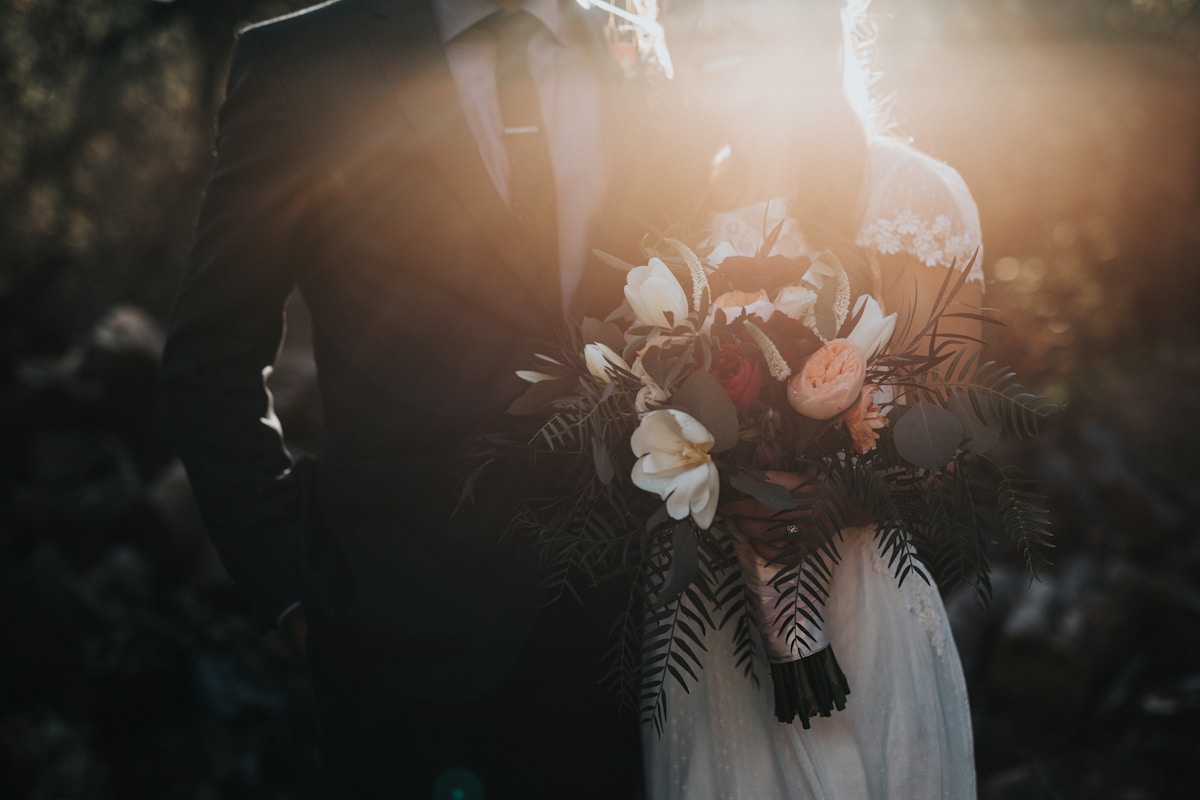
How to Create AI Wedding Highlight Videos (Easy 2026 Guide)
⚡ Quick Answer
Everything you need to know about AI wedding video maker tools — from choosing the right platform to music licensing for highlight reels that couples will treasure for life.
Get more content like this on Telegram!
Daily AI tips, notes & resources — free
Advertisement
A wedding video is different from every other video project you'll ever edit. The footage is irreplaceable. The couple will watch it for decades. Their parents will watch it at the anniversary. Their children will watch it someday trying to understand who their parents were before they were parents. No other video carries that weight, and that context shapes everything about how you approach it.
I say that not to scare you away from AI tools for wedding video — because they're genuinely useful — but to establish the right framework for using them. AI is an excellent tool for efficiency, for fast turnaround on highlight reels, and for couples who want something polished quickly. AI is not a replacement for a skilled human editor when the goal is a film the couple will treasure for 40 years.
With that established, here's everything you need to know about AI wedding video tools in 2026, including a full music licensing guide that most articles skip over entirely.
The Wedding Video Market in 2026: What Couples Want
Expectations have shifted significantly. The dominant request from couples in 2024–2026 is a tiered deliverable:
- Same-day or next-day highlight reel (2–4 minutes) — shared on social media, sent to family immediately
- Full ceremony video (30–90 minutes) — complete, uncut or lightly edited
- Feature highlight film (8–15 minutes) — cinematic, narrative-driven, color-graded
AI tools are genuinely excellent for tier 1 and adequate for tier 2. Tier 3 still benefits from human editorial judgment. The couples who are happiest with their wedding video usually get all three — and AI makes tiers 1 and 2 economically viable for the videographer to include in their packages.
According to a 2024 survey by The Knot, 68% of couples who hired a videographer said they wished they'd had a short shareable highlight video sooner. Same-day or next-day delivery of a highlight reel has become a meaningful differentiator in the wedding videography market. AI tools make this timeline achievable even for solo operators.
Comparison Table: AI Wedding Video Maker Tools in 2026
| Tool | Template Quality (1–10) | Music Sync | Export Resolution | Turnaround Time | Price |
|---|---|---|---|---|---|
| Vidnoz | 8/10 | Automatic beat sync | 1080p MP4 | Minutes | Free tier / $19.99/mo |
| Magisto (Vimeo) | 8.5/10 | AI emotional score matching | 1080p, 4K on pro | 10–20 min | $9.99/mo (Vimeo plan) |
| Animoto | 7.5/10 | Manual beat sync | 1080p | 5–15 min | $16/mo |
| InVideo AI | 8/10 | Manual + AI assist | 1080p, 4K | 10–30 min | $20/mo |
| Vimeo AI (native editor) | 8/10 | Auto-sync | 4K | 15–30 min | Included in Vimeo Pro |
Vidnoz
Vidnoz has become a strong entry point for wedding videographers who want fast AI editing without deep software expertise. Their wedding template library is extensive and genuinely attractive — not generic stock-photo-background ugly, but purpose-designed for the aesthetic couples are looking for in 2026 (soft film grain overlays, elegant typography, romantic color palettes).
The AI beat sync is automatic and works well with most contemporary wedding music. You upload your clips, select a template, add your music track, and Vidnoz's AI identifies the best moments in your footage (based on stability, focus quality, face detection, and audio), cuts to beat, and exports. The free tier adds a Vidnoz watermark; the paid plan exports clean at 1080p.
For a same-day highlight reel — footage uploaded in the evening, highlight video delivered to the couple by morning — Vidnoz is a very workable tool.
Magisto (Under Vimeo)
Magisto has been part of the Vimeo family since 2019, and the integration has matured into a genuinely capable AI editing platform. What sets Magisto apart from simpler tools is its "emotional intelligence" algorithm — the AI doesn't just cut to the beat, it analyzes the emotional arc of your footage (based on facial expressions, movement pace, and audio mood) and structures the edit to build emotionally rather than just rhythmically.
For wedding highlights, this matters. A beat-only edit can feel mechanical. An edit that identifies the tearful moment during vows, the spontaneous laughter at the reception, and the still-moment first look as distinct emotional beats — and gives each room to breathe — feels more like a film and less like a montage.
The emotional intelligence result isn't always what a human editor would choose, but it's consistently more watchable than purely rhythmic edits.
Animoto
Animoto is the most accessible tool in this category for photographers and videographers who aren't primarily editors. The interface is genuinely beginner-friendly — drag your clips in, select a template, choose music, adjust a few settings, export. No timeline editing required.
The trade-off is control. Animoto's AI makes most of the editorial decisions for you, and the customization options are limited compared to InVideo or even Vidnoz. For videographers who want a quick, clean highlight reel without any editing time investment, it works. For anyone who wants to make specific creative choices about what moments to include and how to order them, the limited control becomes frustrating quickly.
InVideo AI
InVideo's AI video generation features (covered in our InVideo AI review) include a wedding-specific mode that generates a narrative script for your highlight video — the AI actually writes brief text overlays or suggested narration based on the wedding timeline you provide (ceremony time, first dance, cake cutting, etc.).
For videographers who want their highlight reels to feel more like short films with narrative context rather than pure visual montages, InVideo's approach is worth the additional workflow time. You have more editorial control here than in Animoto or Vidnoz, but it takes longer to set up.
Music Licensing for Wedding Highlight Videos: The Full Guide
This is the section that most videographers skip until they get a copyright strike, and then they take it very seriously. Let me save you that experience.
The Two Licenses You Need for Commercial Video
Every song in use has two separate copyrights: the composition (the melody and lyrics, owned by the songwriter/publisher) and the master recording (this specific recording, owned by the record label or artist). To use a song in a commercial video — anything posted publicly for business purposes — you legally need both:
- Sync license — permission to synchronize the composition with your video
- Master license — permission to use that specific recording
For a mainstream song, getting both licenses requires contacting the publisher and the label separately, negotiating fees (typically $500–$5,000+ per song for small commercial use), and waiting weeks for approval. Most indie videographers do not go through this process.
Practical Licensing Solutions
Royalty-free music libraries with blanket commercial licenses:
- Epidemic Sound ($15/mo) — Unlimited downloads, all songs cleared for commercial YouTube/social use. Probably the most popular choice among wedding videographers.
- Artlist ($9.99/mo annually) — Unlimited downloads, annual license covers all commercial use including client deliverables. Slightly smaller catalog than Epidemic but strong quality curation.
- Musicbed ($16.99/mo for personal, higher for commercial use) — Higher-end catalog, used by many professional wedding films. Requires clear reading of terms for specific license tiers.
- Soundtrack by Twitch (included with subscription) — Broad sync rights, strong catalog. Less curated for wedding aesthetics but worth knowing about.
The personal vs. commercial distinction: If you're delivering a wedding video directly to the couple and they're not posting it publicly, the copyright risk is practically very low (music copyright enforcement focuses on public distribution, not private viewing). If you're posting the video to your business portfolio, YouTube, Instagram, or any public platform — you're in commercial use territory and need cleared licenses.
The couple's request problem: Couples frequently request specific songs — Taylor Swift, Ed Sheeran, whatever was playing when they met. Fulfilling this request for a public deliverable requires licensing those songs, which is often impractical. Be honest with couples upfront: explain that you use a professional music library that gives them beautiful music you can legally use, and offer them input on genre, mood, and tempo rather than specific artist requests. Most couples understand this once it's explained clearly.
Delivery Platform Music Rights
Different platforms have different copyright enforcement:
- YouTube will Content ID-match unlicensed music and either mute the audio, block the video, or monetize it for the rights holder. This is annoying for wedding portfolios.
- Vimeo has a more lenient approach for private/password-protected videos but will remove publicly posted videos with unlicensed music if reported.
- Direct delivery (download link, WeTransfer) — No platform copyright enforcement. The copyright still exists, but enforcement is practically minimal for private delivery.
For portfolio use, always use properly licensed music. For private client delivery, the legal exposure is low, but clearing music is still best practice.
Step-by-Step: Creating a Same-Day Wedding Highlight Reel
Here's a realistic workflow for delivering a highlight reel the morning after the wedding using Magisto or Vidnoz.
During the event — card management: Transfer footage from cards to a fast external SSD during breaks (cocktail hour, dinner). Don't wait until after the reception to transfer everything — you won't have time.
Right after the event (30 minutes): Do a quick first-pass review of all footage. Flag your top 30–50 clips: ceremony processional, ring exchange, vows reaction, first kiss, bridal party walk-out, first dance, toasts, cake cutting, and 5–10 candid reception moments. These flagged clips are all you need for the highlight reel — don't try to use everything.
Upload and process (15–20 minutes): Upload your flagged clips to Magisto or Vidnoz. Select a template that matches the wedding aesthetic (more minimalist for modern weddings, more ornate for traditional). Add your pre-licensed music track — have a few wedding-appropriate tracks ready on standby from your Epidemic Sound or Artlist library. Let the AI assemble the first pass.
Review and adjust (20–30 minutes): Review the AI output. Most AI tools get the structure roughly right but occasionally include a blurry clip or misorder emotional beats. Swap out the three or four clips that don't work, adjust the music start point if the beat sync feels off, and check that the most important moments (vows, first kiss, first dance) land in the second half of the video where emotional impact peaks.
Export and send: Export at 1080p minimum. Create a Vimeo or Google Drive link for the couple and send it with a personal note. Receiving their highlight video the morning after their wedding — before they've even unpacked their honeymoon bag — generates the kind of goodwill that drives referrals more than any marketing effort.
Total time investment: 1.5–2 hours post-event. With a traditional editing workflow, this would be 6–8 hours minimum.
What AI Misses in Wedding Video
AI identifies technically good clips — in focus, properly exposed, faces visible. What it doesn't understand is emotional weight.
The out-of-focus shot of the groom's father wiping his eyes during the vows. The three seconds where the couple is looking at each other rather than the officiant, fully absorbed in the moment. The grandmother who traveled from overseas watching from the third row. These moments may not be technically "perfect" but they're the ones the couple will rewatch most.
A skilled human editor knows to look for these moments and override technical quality with emotional resonance. AI doesn't make that judgment. For highlight reels, this means the AI output should be treated as a first draft — review it specifically looking for the moments that carry personal meaning and ensure they're included, even if the AI didn't select them.
For the cinematic feature film tier of wedding video — the 10–12 minute narrative film that weaves ceremony, reception, and couple portrait footage into a cohesive story — human editing judgment is still genuinely necessary. AI accelerates the process but doesn't replace the editor's role in identifying and weighting emotional moments.
Editing for Different Wedding Styles
Not every wedding aesthetic works with the same AI template or music approach.
Modern and minimalist weddings: Clean typography, muted color palettes, understated instrumental music. Tools like Vidnoz and InVideo have template categories that fit this aesthetic. Avoid busy transitions and flashy effects.
Traditional and religious weddings: Warmer color tones, classical or orchestral music, more respectful pacing. Give ceremony moments significantly more time than the AI default. Rushing through vows and exchange feels disrespectful in this context.
Destination and outdoor weddings: Golden hour footage and landscape shots often get under-weighted by AI tools that are trained to prioritize face detection. Manually ensure your best landscape establishing shots make it into the final edit.
Small intimate weddings: AI tools expect a certain volume of footage to work from — large wedding parties, multiple venue transitions, big dance floors. For intimate ceremonies with 20 guests, you'll have less raw material, and the AI's automated selection may pull from a narrower pool. Be more involved in the clip selection for small weddings.
Building a Referral-Driven Videography Business With AI
The economics of AI wedding video make something possible that wasn't viable before: offering multiple deliverable tiers at price points that attract different client segments.
A tiered pricing structure might look like:
- Essential Package: AI-generated highlight reel (3 min) + full ceremony recording — $800
- Signature Package: Cinematic highlight film (8–12 min, human edited) + highlight reel + full ceremony — $2,200
- Premium Package: Signature + full reception + drone footage + behind-the-scenes — $3,500+
AI makes the Essential Package profitable at $800 because your editing time is under two hours. The margins on the Signature and Premium packages haven't changed — those still require significant human editing time. But the Essential tier now reaches couples who previously couldn't budget for video coverage and converts them into potential referral sources.
For more ideas on monetizing AI video skills, our guide on making money with AI YouTube covers transferable principles that apply to service-based videography businesses too.
Conclusion
AI wedding video tools have earned a legitimate place in professional videography workflows in 2026. Magisto leads for emotional intelligence in automated editing. Vidnoz delivers fast, clean results with attractive templates. Animoto is the most accessible starting point for photographers adding video services. InVideo gives you the most creative control when you want AI assistance without fully automating the edit.
Music licensing is the aspect of wedding video production that bites most videographers when they skip it — invest in a blanket-license music library, have the conversation with couples upfront about music selection, and protect your portfolio work with properly cleared audio.
The couples who are happiest with their wedding video are the ones whose videographer treated the footage with the reverence it deserves. AI makes it possible to be faster and more efficient; only you can ensure the result is something worth treasuring. Use these tools to scale your efficiency, not to lower your care.
Advertisement
💬 DiscussionPowered by GitHub Discussions
Frequently Asked Questions

AiTechWorlds Team
✓ Verified WriterThe AiTechWorlds team is passionate about AI, technology, and education. We create high-quality, research-backed content to help you learn, grow, and succeed in the modern digital world.
Advertisement
Related Articles
How AI-Generated Captions Boost Video Retention (With Tools)
AI caption generator video tools can increase watch time by up to 80% — here's the retention data and the tools that deliver it most reliably.
How to Generate AI Cinematic Trailers and Teasers (2026)
Learn how to use AI trailer generator tools to create cinematic teasers and promos with dramatic visuals, music sync, and 3-act structure — complete 2026 guide.

Best AI for Automatic Video Color Grading (Cinema Look 2026)
Discover the best AI color grading tools for achieving a cinema look automatically in 2026. Compare DaVinci Resolve AI, Colourlab, Topaz, and more for filmmakers.

6 AI Tools to Generate Animated Explainer Videos (No Skill Needed)
Discover the best AI explainer video generator tools for 2026 — create animated explainers with voice sync and no design experience required.