
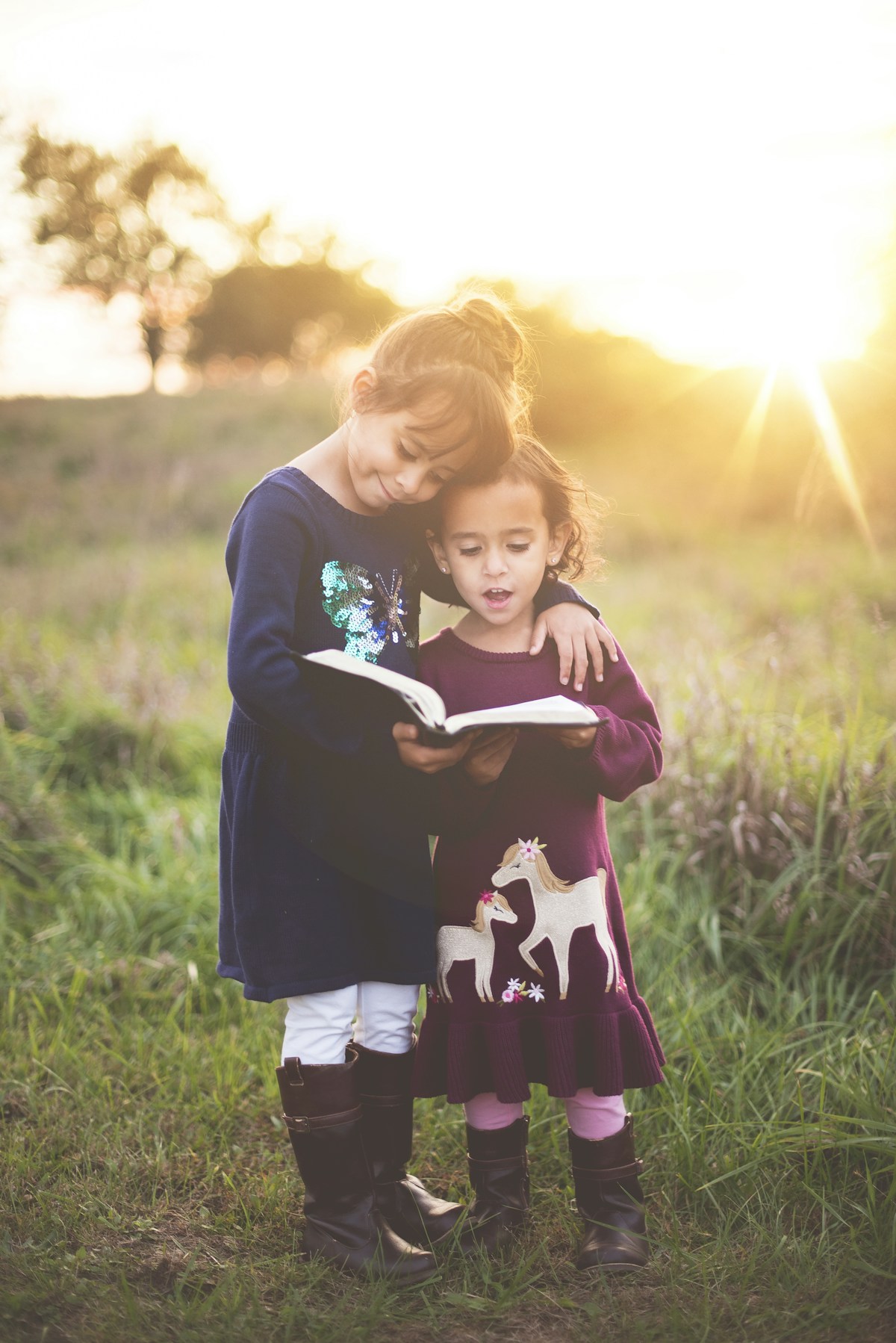
Best AI Tools for Writing Children's Books (Rhymes and Stories)
⚡ Quick Answer
Discover the best AI children's book writer tools for self-publishers. Compare ChatGPT, Claude, Sudowrite, and NovelAI with age-appropriate prompts and KDP tips.
Get more content like this on Telegram!
Daily AI tips, notes & resources — free
Advertisement
Writing children's books sounds deceptively simple. Short sentences. Simple words. Maybe some rhymes. Easy, right?
Then you sit down and try to write one and realize that children's books are one of the hardest forms to do well. Every word has to earn its place. The rhythm has to work when read aloud by a tired parent at 9 PM. The emotional truth has to land with a four-year-old who has exactly zero patience for anything that doesn't grab them immediately.
AI children's book writer tools have gotten surprisingly capable for this kind of work — but you have to know how to use them. This guide covers the best tools, what each one does well, age-appropriate prompting strategies, and a real workflow for taking an AI draft all the way through KDP self-publishing.
What Makes Children's Book Writing Distinct
Before comparing tools, it's worth understanding why children's book writing is its own category. The constraints are different from any other writing type:
Vocabulary control is non-negotiable. A picture book for 4-year-olds can't use the word "simultaneously." An early reader for 7-year-olds can't have sentences longer than 12-15 words. AI models will drift into adult vocabulary unless you actively constrain them.
Rhyme and meter require careful prompting. AI is bad at maintaining consistent rhyme schemes, especially AABB or ABCB patterns across many stanzas. You'll need to check every rhyme manually.
Page turns matter. In picture books, each spread is a unit. The story should build across page turns, with each one creating a small sense of anticipation. AI doesn't naturally think in page turns.
Themes need subtlety. The best children's books carry emotional truths without lecturing. AI tends to state themes explicitly. "And that day, Maya learned that being kind is the most important thing." Children's book editors call this "the lesson problem" — and it's extremely common in AI-generated drafts.
Tool Comparison for AI Children's Book Writing
| Tool | Rhyme Quality | Vocabulary Control | Story Structure | Illustration Support | Price |
|---|---|---|---|---|---|
| ChatGPT (GPT-4o) | Good | Excellent (with prompts) | Very Good | None | Free / $20 mo |
| Claude (Anthropic) | Very Good | Excellent | Excellent | None | Free / $20 mo |
| Sudowrite | Good | Moderate | Good | None | From $19/mo |
| NovelAI | Moderate | Moderate | Good | Via image gen | From $10/mo |
| Canva | None | None | None | Excellent | Free / $15 mo |
Claude tends to produce the most emotionally resonant children's book drafts in my testing. It's naturally better at subtext and restraint — it won't tell you what the character learned, it'll show the character's face changing. For rhyme specifically, Claude handles longer rhyming passages more consistently than ChatGPT, though both need human editing for meter.
Sudowrite is worth considering if you're writing middle-grade or young adult rather than picture books — it's built for narrative fiction and has strong scene-expansion features that work well for longer children's stories.
NovelAI includes image generation alongside text, which can be useful for quick visual prototyping during the writing phase. The text quality isn't as strong as ChatGPT or Claude, but having text and rough images in one place has workflow value.
Age-Appropriate Writing Prompts
Here are actual prompts structured for different age groups. These work with ChatGPT, Claude, or any general-purpose AI tool.
Board Books (Ages 0-3)
Write a 100-150 word board book about [TOPIC] for children ages 1-3.

Requirements:
- Maximum 4-6 words per page
- 12-14 page spreads total
- Repetitive structure with one element that changes each spread
- Simple, concrete nouns only — no abstract concepts
- Ends with a comforting or satisfying moment
- Tone: warm, gentle, simple

Topic: [e.g., "getting ready for bed," "all the things we eat," "sounds animals make"]
Picture Books (Ages 3-6) — Rhyming
Write a rhyming picture book for ages 4-6 about [TOPIC].

Requirements:
- AABB rhyme scheme (every two lines rhyme)
- 500-700 words total
- Each stanza = one page spread
- Reading level: Grade K-1 (Flesch-Kincaid)
- Main character: [NAME], a [AGE]-year-old [child/animal/creature]
- Problem in the story: [SPECIFIC PROBLEM]
- Resolution: [HOW IT RESOLVES — do not state the lesson explicitly]
- Tone: [playful / cozy / adventurous]

Do NOT use the following words: [list any vocabulary too advanced]
Early Chapter Books (Ages 6-9)
Write the first chapter of an early chapter book for ages 6-8.

Requirements:
- 800-1,200 words
- Short sentences (average 8-10 words)
- 3-5 chapters total planned (include a brief outline)
- Vocabulary: Grade 2-3 reading level
- Main character: [NAME], age [7-8], facing [SPECIFIC PROBLEM]
- Chapter 1 goal: Introduce the character, hint at the main problem, end with a mini cliffhanger
- Tone: [funny / mysterious / adventurous / heartfelt]
The KDP Self-Publishing Workflow
Getting from AI draft to a published book on Amazon KDP takes more steps than most first-time self-publishers expect. Here's the realistic workflow:
Phase 1: Writing (2-3 weeks)
Use AI for first drafts, then edit heavily. For picture books: aim for at least three complete revision passes before moving to illustration. Read every version aloud — preferably to an actual child if you can. Watch where they lose interest.
Phase 2: Illustration
AI text tools don't produce publishable illustrations, so you have a few options:
- Canva + stock art: For simple, stylized picture books, Canva's children's illustration assets work well and are fully licensed for commercial use.
- Midjourney or DALL-E 3: For custom AI illustrations, these tools have improved dramatically. Maintain consistent character appearance using seed settings or character reference features.
- Human illustrator: For premium results, hire a children's book illustrator via Upwork or Reedsy. Expect $1,500-5,000+ for a full picture book.
Phase 3: Formatting for KDP
KDP requires specific trim sizes for children's books. Most common: 8.5x8.5 inches (square picture books) or 6x9 inches (chapter books). Export your final document as a print-ready PDF with embedded fonts, 0.125-inch bleed on all sides, and 300 DPI resolution for all images.
Phase 4: Publishing
KDP's "Kids" category has specific metadata requirements. Keywords matter enormously for discoverability — include age range, theme keywords, and any series identifiers. Price picture books between $6.99-$9.99 for paperback and $2.99-$4.99 for Kindle.
For writing quality review before publishing, tools like Grammarly AI catch any remaining grammar issues, and ProWritingAid can flag readability scores for the target age range.
The Rhyme Problem (And How to Fix It)
I want to be honest about AI rhyming because it's a real limitation. AI produces technically rhyming lines but often breaks the stress pattern in ways that feel wrong when read aloud.
"The little cat went for a walk / Then sat right down for a friendly talk."
This rhymes, but "walk" and "talk" as end rhymes feel forced, and the stress in "friendly talk" is awkward. A human editor would rewrite: "The little cat went for a run / And found a new friend, just for fun."
When you get an AI-generated rhyming draft, read every stanza out loud and clap the beat. Where your clapping breaks down or feels forced, rewrite that stanza by hand. Plan to rewrite 20-30% of AI rhyming drafts this way.
The AI writing tips humanize guide has general principles for making AI text more natural that apply here — the "read aloud" test is particularly relevant for children's content.
Conclusion
AI children's book writer tools are genuinely useful for first-time self-publishers who have a story idea but struggle to get words on the page. They're less useful as production shortcuts — the editing, the illustration work, and the KDP formatting still take real time and skill.
The best approach: use ChatGPT or Claude to generate multiple versions of your story, pick the one that best captures the emotional core you're going for, and then edit it as much as 50% by hand. What you'll save isn't the writing time so much as the blank-page paralysis — having a draft to react to is much easier than building from nothing.
For rhyming picture books, budget extra time for meter editing. For early chapter books, Claude's structural sensibility makes it the strongest starting point. And for the illustration gap, Canva's templates can get you from manuscript to publishable layout without needing design experience.
Check out free AI writing tools for more options that won't cost anything to start with, and best free AI tools 2026 for a broader toolkit picture.
Advertisement
💬 DiscussionPowered by GitHub Discussions
Frequently Asked Questions
AiTechWorlds Team
✓ Verified WriterThe AiTechWorlds team is passionate about AI, technology, and education. We create high-quality, research-backed content to help you learn, grow, and succeed in the modern digital world.
Advertisement
Related Articles
How to Use AI to Write a Compelling About Us Page (2026)
Use an AI about us page generator to craft a story, mission, and team section that builds trust. Includes 3 templates for startups, freelancers, and agencies.
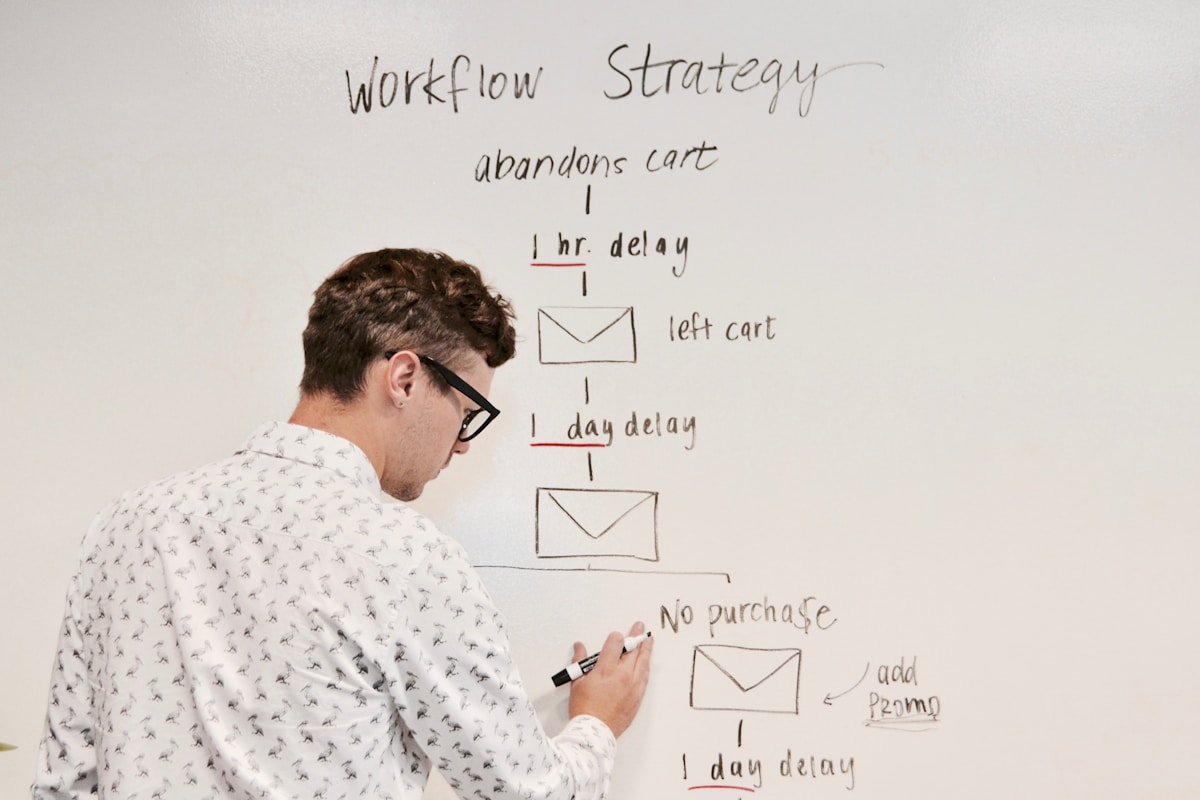
How to Use AI to Write Business Proposals That Win Deals (2026)
Use an AI business proposal generator to write compelling, structured proposals faster. Includes templates, win rate data, and tool comparisons for B2B sales.

How to Use AI to Write Case Studies With Real Data (2026)
Learn how an AI case study writer speeds up B2B content creation. Get 5 AI prompts per section, a full structure template, and tool comparison for 2026.

How to Use AI to Write Cold DMs That Get Responses (LinkedIn, Twitter)
Master the AI cold DM generator approach for LinkedIn and Twitter with 10 proven templates, reply rate data, and personalization prompts that actually work.