














What does digital marketing actually involve?
Digital marketing spans several channels that work together: SEO and content to earn organic traffic, social media to build audience and distribution, email to nurture and convert, and paid ads to accelerate reach. The goal isn’t activity on each channel — it’s a connected system that turns strangers into customers and customers into repeat buyers.
How has AI changed digital marketing?
AI now powers keyword and audience research, content drafting, ad-copy variations, personalization at scale, and analytics. It lets small teams produce and test far more than before. The catch is quality: AI can flood channels with generic content, so the winners use it to do more research and iteration while keeping a human in charge of strategy, voice, and accuracy.
Which channel should you prioritize?
Prioritize by goal and timeline. SEO and content build durable, compounding traffic but take months. Paid ads deliver immediate, controllable traffic but stop the moment you stop paying. Email has the highest ROI because you own the list. Social builds brand and distribution. Most effective programs combine a compounding channel (SEO/content) with a fast one (ads or email) rather than betting on one.
How do you measure marketing that works?
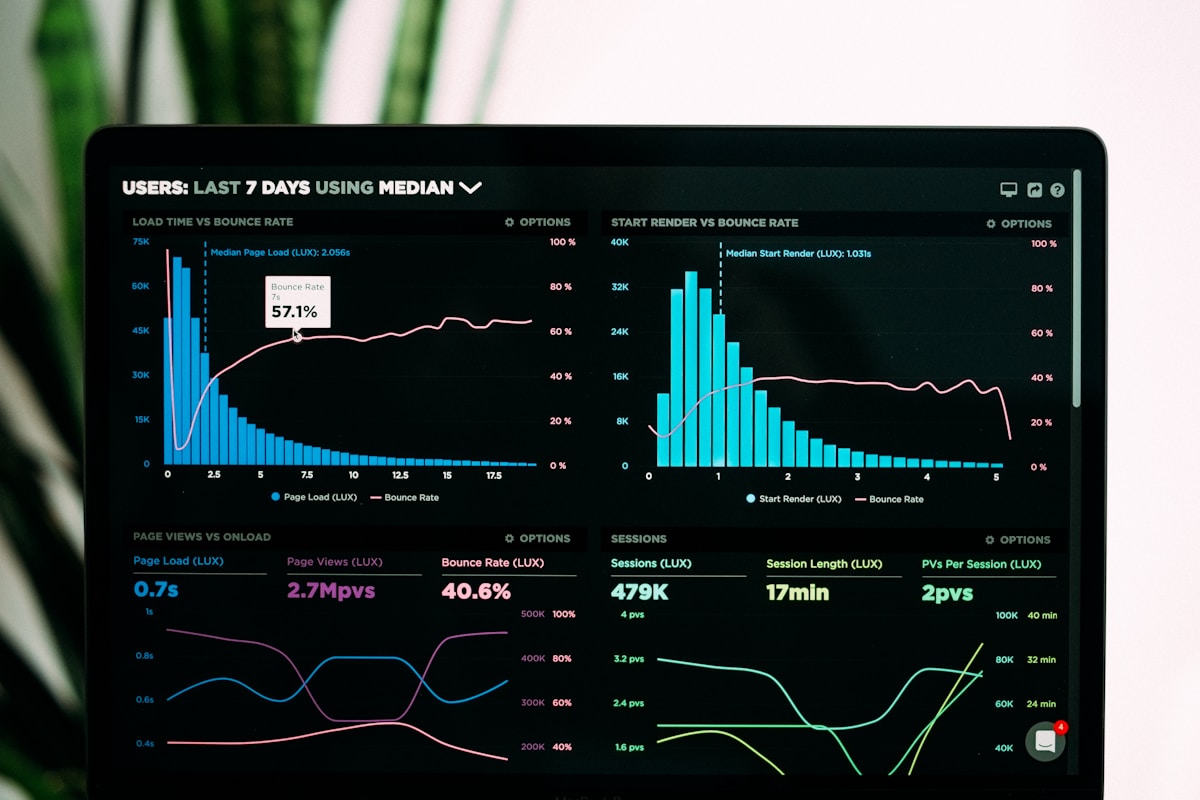
Tie everything to outcomes, not vanity metrics. Track conversions, cost per acquisition, customer lifetime value, and retention — not just pageviews or follower counts. Set up analytics, define what a "win" looks like for each channel, and double down on what produces revenue. AI dashboards help, but only if you’re measuring the right things.
How should you start or scale?
Start with one compounding channel and one fast channel, set clear metrics, and use AI to research and produce faster. Publish genuinely helpful content (answer-first, well-structured), build an email list early, and reinvest in what converts. Disciplined focus beats spreading thin across every platform.